
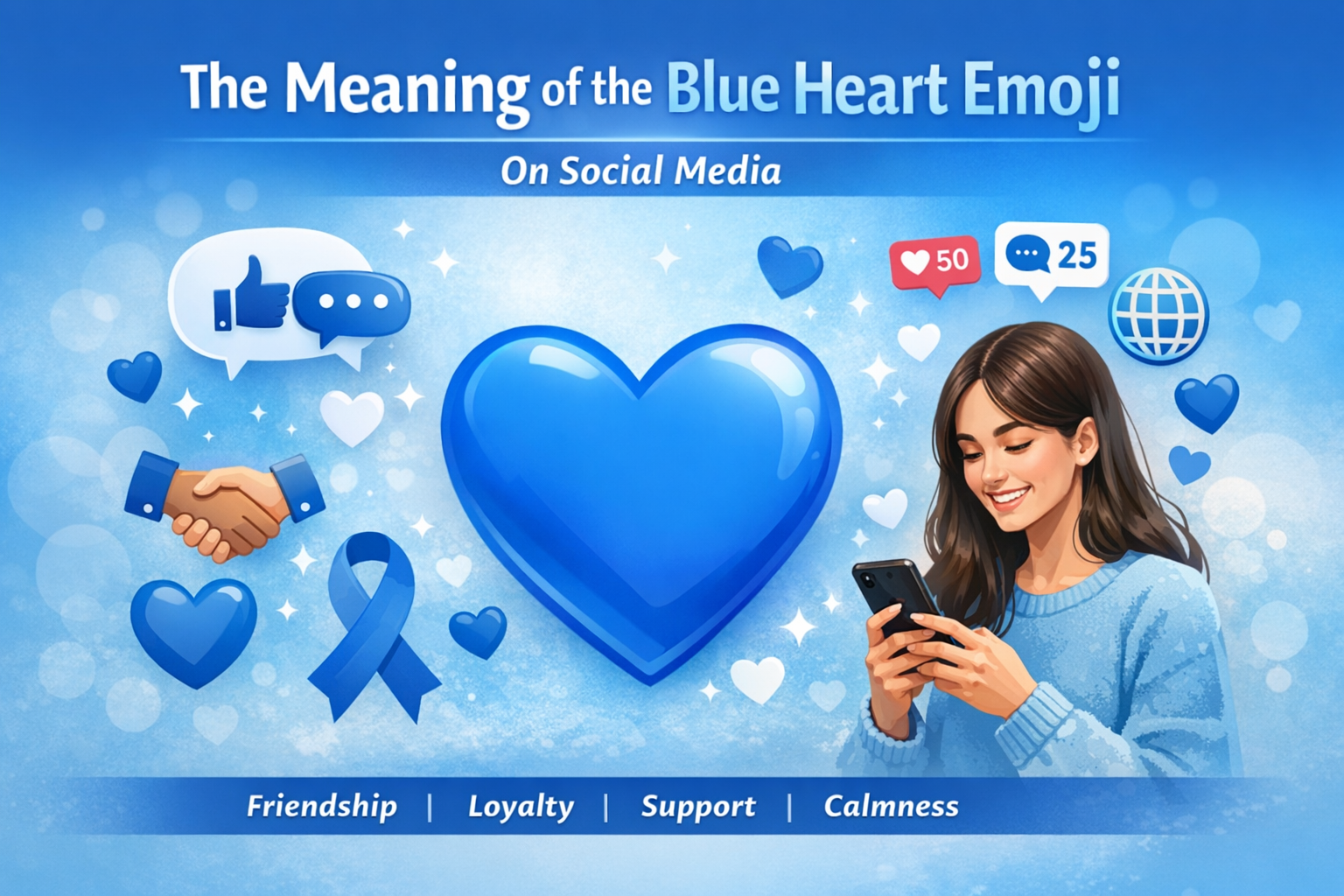



Emojis have become a universal language in digital communication these days, helping people express emotions quickly and visually. Among them, heart emojis are some of the most popular, each color carrying its own subtle meaning.
The blue heart emoji 💙, in particular, has gained attention on social media for its versatile symbolism.
Unlike the classic red heart, it isn’t always romantic. Its meanings can range from friendship and loyalty to calmness and support.
Understanding the context behind the blue heart can help users communicate more clearly and connect meaningfully online. So, in this article, we will discuss what the blue heart emoji means on social media. Let’s start.
The blue heart emoji 💙 is one of the many heart emojis available on smartphones and social media platforms. Officially recognized by Unicode, it is a simple blue-colored heart symbol, often used to express feelings that are calm, stable, and trusting.
Unlike the classic red heart, which is strongly associated with romantic love, the blue heart tends to convey friendship, loyalty, or support.
Its soothing color also gives it a sense of tranquility and reliability, making it a popular choice for messages that aim to show care without intense romantic overtones.
The blue heart emoji is the same as heart emojis have grown in popularity across social media platforms, but its meaning can vary depending on the context. While it may seem simple, it carries multiple interpretations that go beyond romantic love.
Here’s a closer look:
The blue heart is often used to represent trust, loyalty, and strong bonds between friends or followers.
On platforms like Instagram and Twitter, users might send it to show unwavering support or solidarity without romantic implications.
Unlike the red heart, which is typically romantic, the blue heart frequently signals platonic love. Sending it to friends communicates care, appreciation, and emotional support, making it ideal for non-romantic relationships.
The color blue is associated with various causes and organizations. Social media users often post the blue heart to show support for charities, awareness campaigns, or sports teams. For example, it may appear in posts for autism awareness or a favorite football club.
Blue is a calming color, and the blue heart emoji can convey serenity, peace, and positive vibes. It’s frequently used in comments or captions to reflect emotional stability or encouragement.
Though less common, the blue heart can also represent romantic feelings, but in a cooler, more stable way than a red heart. It suggests a steady, loyal, or trustworthy love rather than intense passion.
The blue heart emoji has also been shaped by cultural trends and online movements. Celebrities, influencers, and brands often use it to connect with fans or show support for causes, making it a symbol beyond just friendship or love.
It frequently appears in campaigns for awareness, such as autism acceptance or ocean conservation, and is commonly used to represent sports teams with blue colors.
Pop culture, including music and social media challenges, has further popularized the emoji, turning it into a versatile symbol that reflects both personal expression and broader cultural trends.
Each heart emoji has its own unique meaning, and using the right color can help convey your feelings more accurately.
The red heart is the classic symbol of romantic love, deep affection, and passion. It’s often used to show a strong emotional connection, whether in messages to a partner or posts expressing love and care.
The yellow heart represents friendship, happiness, and positivity. It is commonly used to show joy, cheerfulness, or appreciation for someone without romantic undertones.
The green heart can symbolize health, growth, nature, or renewal. Sometimes it is also used to convey jealousy or envy, depending on the context.
The purple heart is associated with compassion, luxury, and support for fandoms or communities. It can also convey admiration, creativity, and emotional depth.
The white heart symbolizes purity, peace, and sincere love. It is often used to show support, care, or gentle affection in a calm and thoughtful way.
The blue heart emoji is versatile, but its meaning can vary depending on the context, relationship, or platform. Being aware of the following nuances can help ensure your message is interpreted correctly:
· Context Matters: Use it with friends for loyalty or support, and with romantic partners for calm, stable affection.
· Avoid Overuse: Sending it too often may dilute its intended meaning.
· Combine with Words: Pairing it with text or other emojis can clarify your intention.
· Cultural Awareness: Be mindful of trends or causes the blue heart might represent, like awareness campaigns or team support.
· Platform Differences: The interpretation may vary between Instagram, Twitter, TikTok, or dating apps.
The blue heart emoji is a versatile symbol used on social media to show trust, loyalty, friendship, calmness, or support. Its meaning can change depending on the context, relationship, or platform, so being mindful of how and when it’s used is important.
By understanding its various interpretations, users can communicate clearly and meaningfully. Whether in messages, posts, or comments, the blue heart adds a thoughtful touch to online interactions.
The blue heart emoji is often used to show loyalty, trust, and care in friendships. It communicates appreciation without implying romantic feelings.
Yes, but in a calmer and more stable way than a red heart. It usually suggests steady or trustworthy love rather than intense passion.
The color blue is associated with certain campaigns, charities, and sports teams. Using the emoji shows support or solidarity with these causes or groups.
Yes, context and platform can affect its interpretation. On Instagram or Twitter, it might show support, while on dating apps, it could hint at loyalty or subtle affection.
Consider your relationship and the context before sending it. Pairing it with words or other emojis can help make your intention clear.
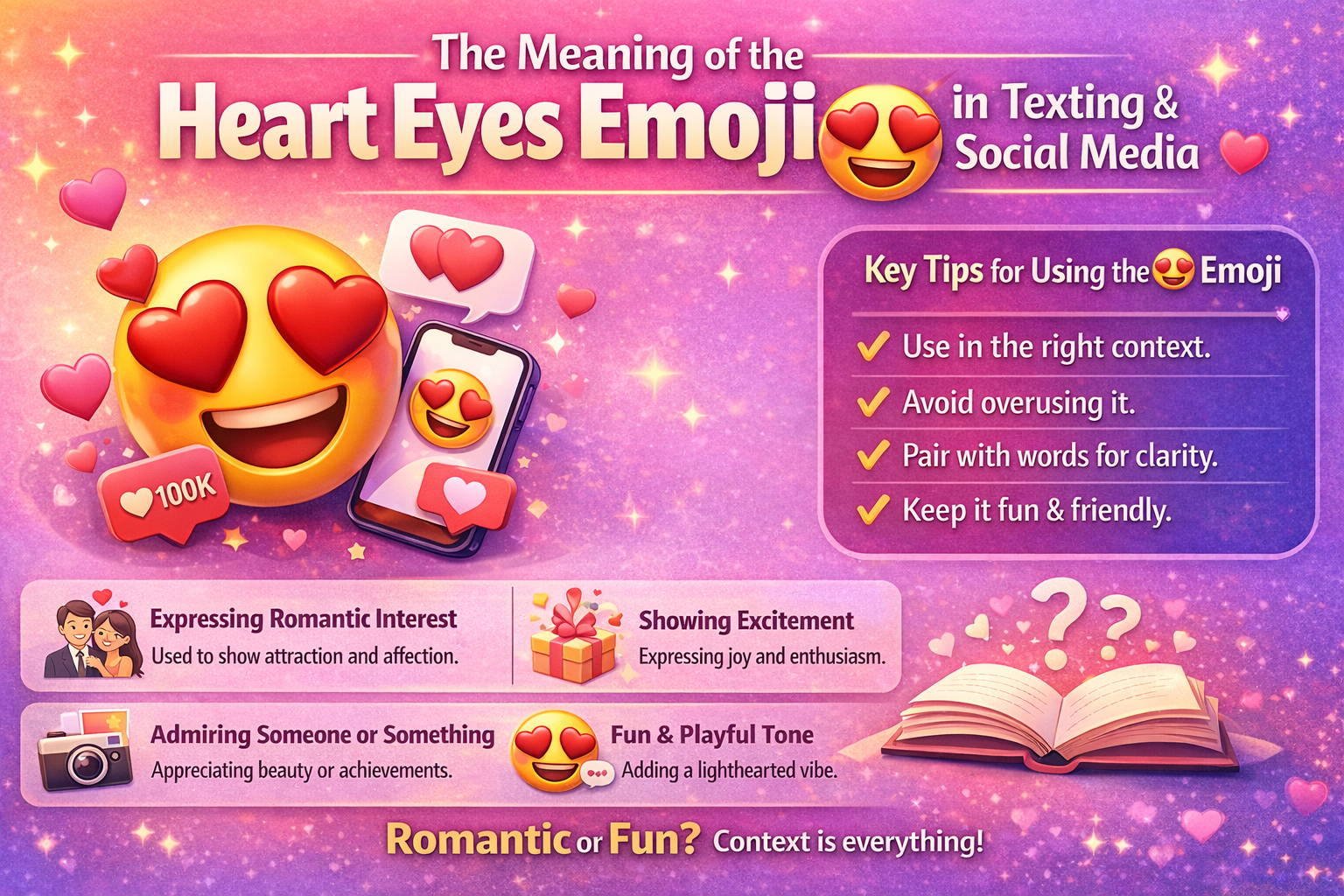
The heart eyes emoji 😍 is one of the most widely used symbols in texting and on social media. It is commonly used to show love, admiration, or strong approval for a person, object, or idea. People often use it in messages, comments, or posts to express positive feelings quickly without words. While its meaning seems straightforward, the way it is used can vary depending on the context. Knowing the meaning and typical uses of the heart eyes emoji can help people communicate more clearly in digital conversations. In this article, we will explore the meaning of the heart eyes emoji in texting and on social media, and tips for using it appropriately.
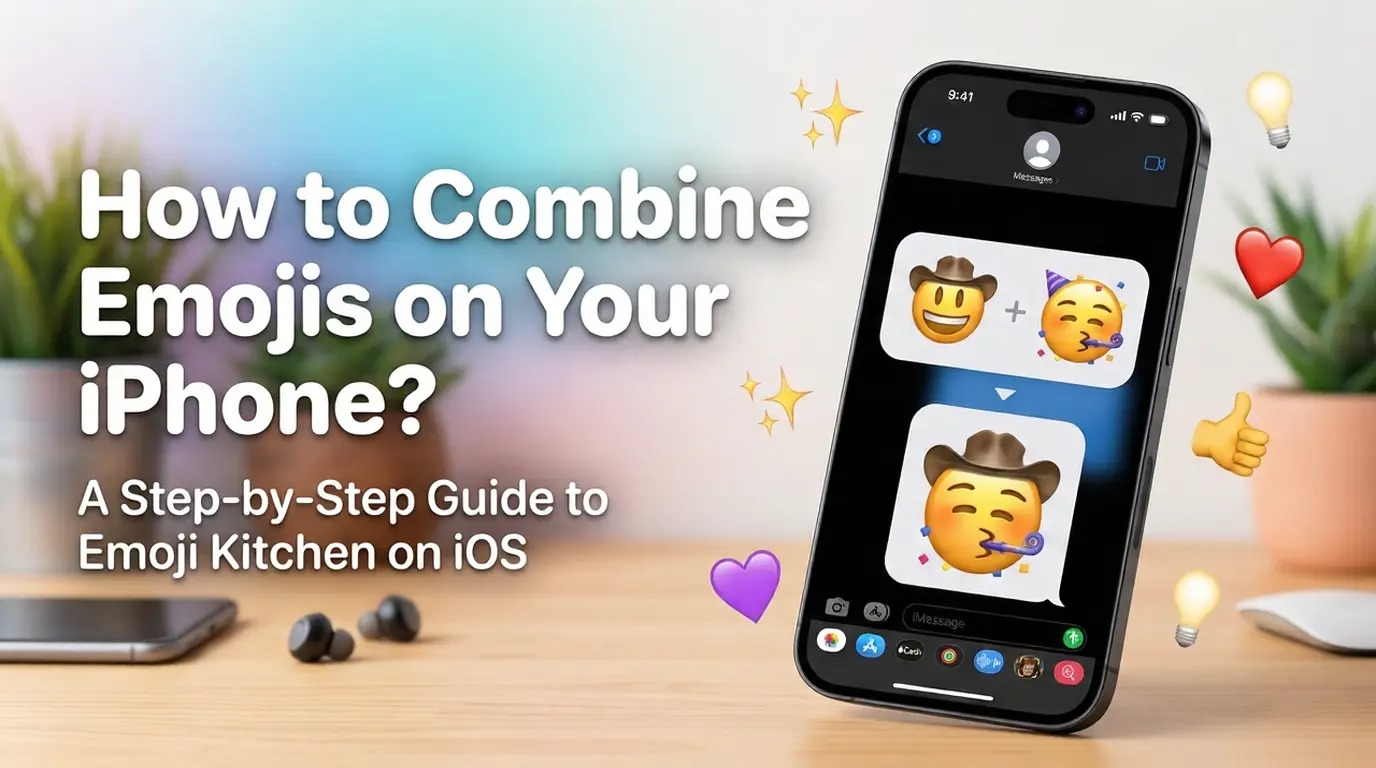
You send dozens of messages a day, and emojis are a massive part of how you express yourself. Sometimes, a single smiley face or a standard heart emoji just does not capture the exact mood you want to convey. Android users have been enjoying the ability to mash up different emojis for a while now, leaving Apple users wondering how to join the fun.
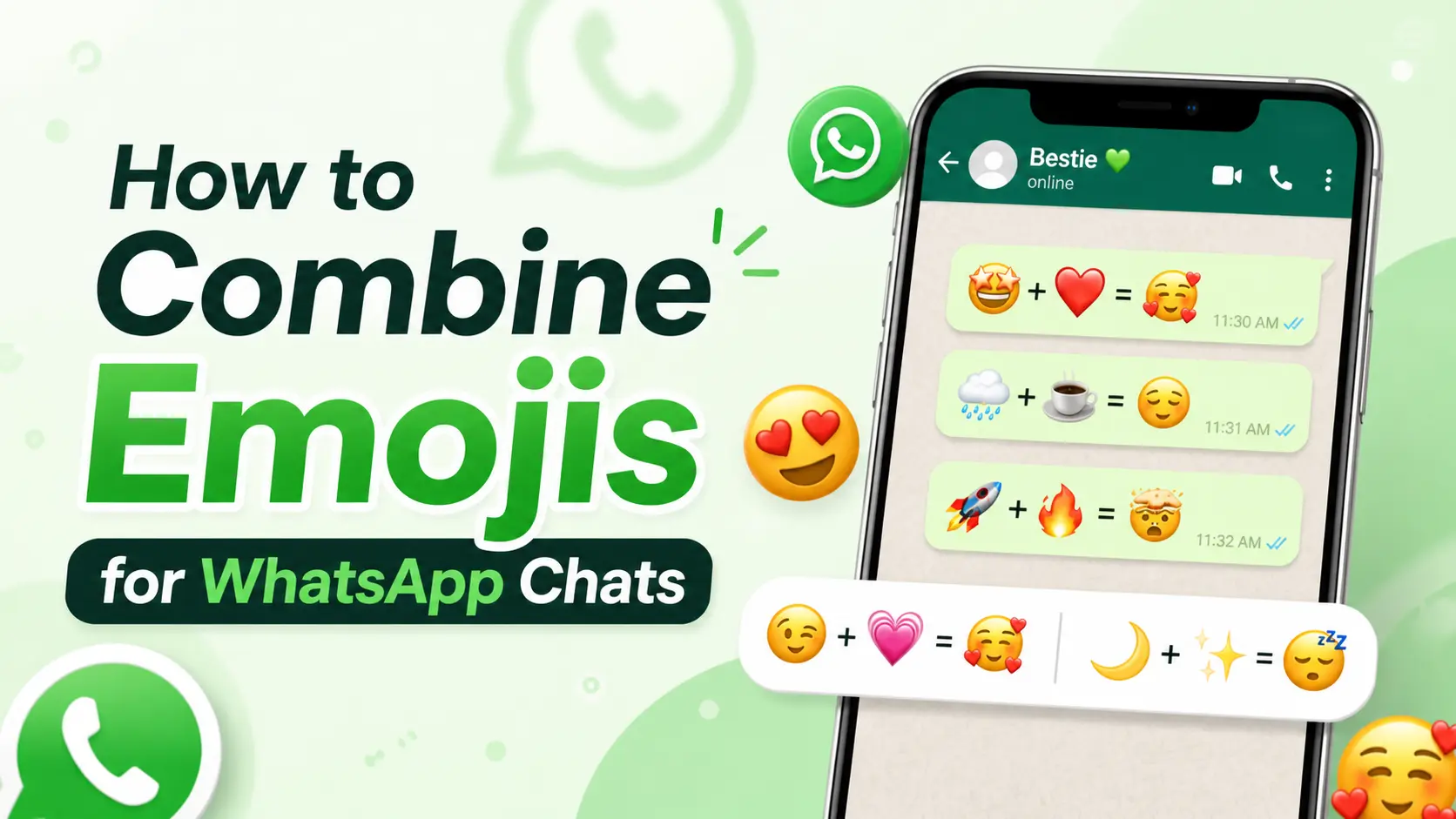
Have you ever tried to combine emojis in WhatsApp. Could not find the option? You open WhatsApp stare at your keyboard and think that combining two smileys would be the way to react. For example you might want a crying face with a cowboy hat on it or a turtle and a balloon together. You look through the menus. There is no way to combine emojis.